
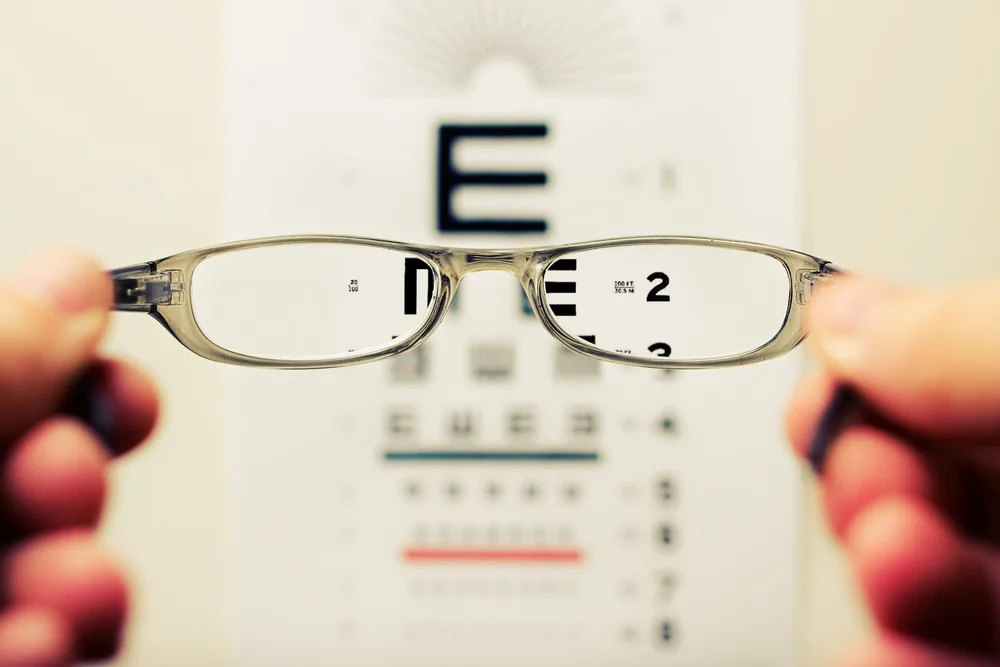
Is your child’s short-sightedness getting worse?
Myopia usually progresses through childhood. We measure it, track it, and use evidence-based options to slow it down.
Custom-fitted lenses worn overnight gently reshape the cornea, so many children see clearly all day without glasses. Ortho-K can also slow myopia progression.
Low-dose atropine drops, used once a day at bedtime, can slow how fast myopia progresses. Your child still wears glasses to see clearly.
Specially designed spectacle lenses and daily soft contact lenses correct vision and can slow myopia progression. We help you choose what suits your child.
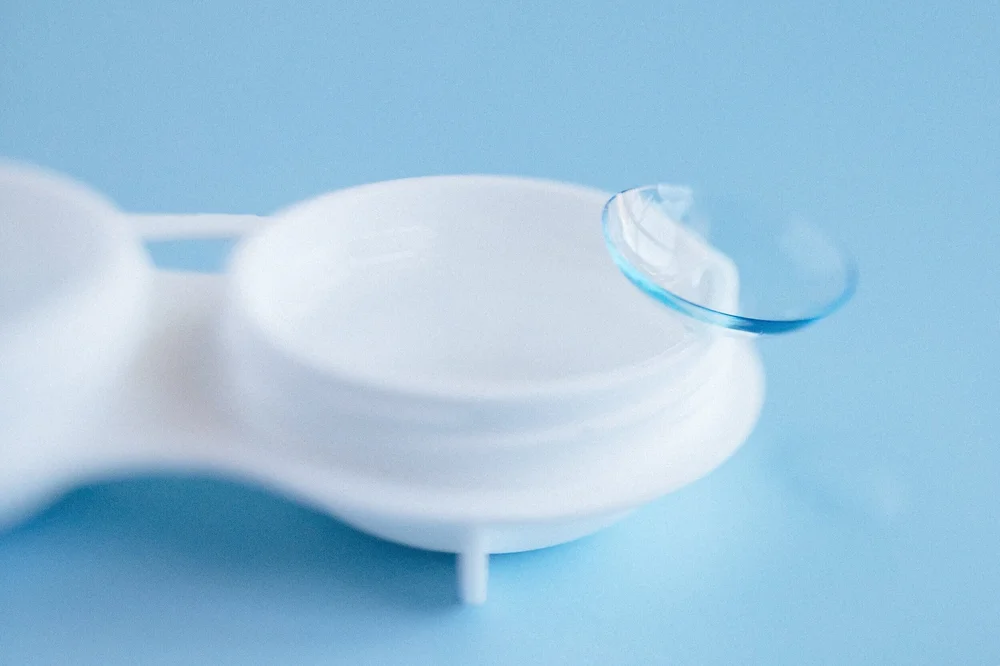
Contact lenses for almost every eye.
Short-sighted, long-sighted, astigmatism or multifocal, there’s likely a lens for you. Including specialist hard lenses for keratoconus.
Toric lenses correct astigmatism and stay aligned as you blink. Multifocal lenses let many people over 45 see near and far without reading glasses.
Prescription outside the standard range? We order custom-made soft or rigid lenses to your exact measurements, for high short-sight, long-sight or astigmatism.
For keratoconus and irregular corneas, we fit rigid and scleral lenses that can often give sharper, more stable vision than glasses.
Struggling with reading? Check the eyes first.
Clear sight isn’t the whole story. We test how the eyes team, focus and track, and work alongside occupational therapists.
We check how well the two eyes work together. Poor eye teaming can cause eye strain, headaches, double vision or losing your place when reading.
Guided exercises build focusing (accommodation) and eye-teaming (vergence) control, in clinic and at home. For some children, close work becomes more comfortable.
We test how well the eyes focus and turn in together for close work. Problems here can make reading tiring, and glasses or vision training may help.

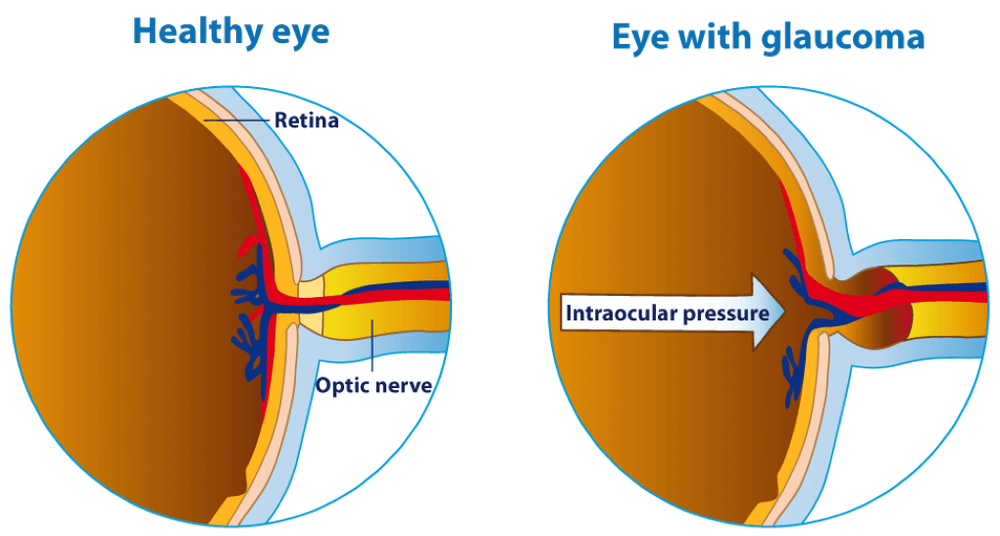
Glaucoma steals sight without warning.
There are usually no symptoms until a lot of the optic nerve is already damaged. Lost vision can’t be restored, so regular checks matter.
No air puff. We check eye pressure with an iCare tonometer — a quick, light touch. If a reading needs confirming, we recheck with a Perkins contact tonometer.
A Zeiss OCT scan maps the optic nerve layer by layer, so early thinning can show up before your vision is affected.
We repeat visual field tests and OCT scans at regular visits. Often it’s the change between visits that confirms glaucoma.
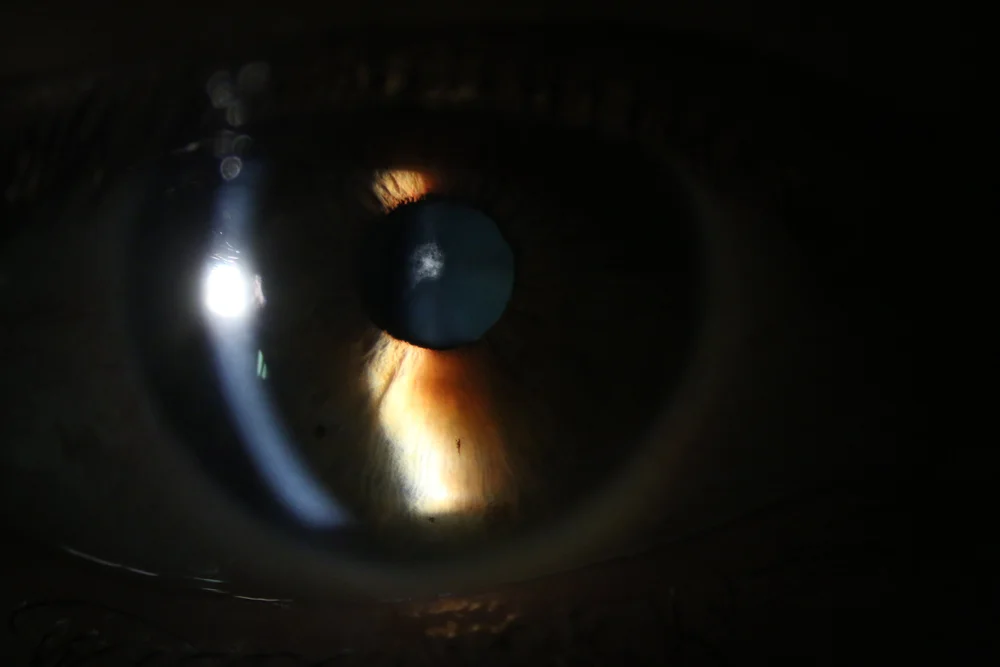
Driving in a fog? It could be cataract.
The lens inside your eye clouds with age. Diabetes, steroids, UV and smoking can speed it up. We check it, track it, and refer you for surgery when it’s time.
Halos and glare around headlights aren’t always a sign you need new glasses. A clouding lens is a common cause, and it’s worth checking.
We test your vision and contrast sensitivity, and photograph the lens so we can compare any change at future visits.
When surgery is worth considering, we refer you straight to an ophthalmologist — no GP visit needed — with a note on how soon you should be seen.
Protect your central vision.
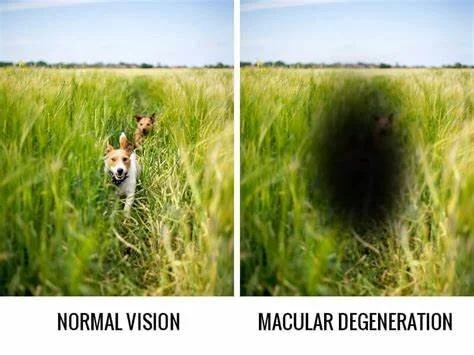
Macular degeneration affects the vision you use to read, drive and recognise faces. Age, genetics, UV and smoking raise the risk. Finding it early gives you more options.
Dry AMD is the common, slower form. Yellow deposits called drusen build up under the retina, and vision is often kept well for years.
Wet AMD can damage vision within weeks. Eye injections can often stop it, and treated early, some people regain vision. Wavy lines? See us promptly.
Our Zeiss OCT scans the macula layer by layer, picking up drusen and fluid early and showing any change between visits.
Many eye diseases have no early symptoms. Regular eye tests help find them early. Suitability for any treatment is assessed by your optometrist at consultation. Results vary between individuals.